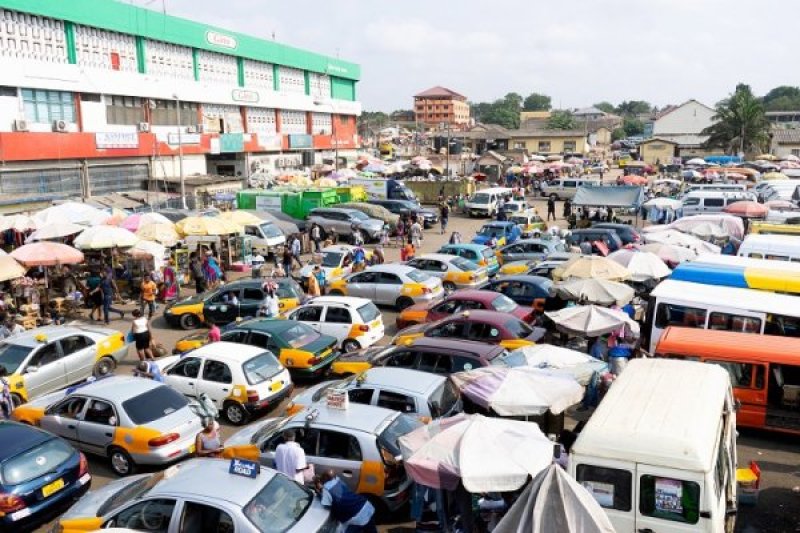
On Tuesday, July 28, transport organizations are anticipated to have a meeting with the Ministry of Transport to talk about a suggested 30% increase in transport fares, which is being caused by increasing fuel prices and vehicle spare part prices.
The meeting occurs after the unions urged an increase in fares, asserting that transport operators are having trouble handling rising operating expenses.
Prior to the meeting, Samuel Amoah, the Deputy Public Relations Officer of the Ghana Private Road Transport Union (GPRTU), told Citi News that the outcome of the engagement would decide the union’s subsequent course of action.
If the government doesn’t take immediate action to combat the rising price of oil products, the unions are willing to speak with them, he said.
He stated, “They want to hear what we have to say and engage with us. We will present our proposed percentage for negotiation if they think they can’t do anything about the excessive cost of petroleum products. We will notify our members of any agreement we come to.”
Meanwhile, the Chamber of Petroleum Consumers (COPEC) has urged the government to bring back the fuel price intervention that was implemented during the height of the Middle East crisis, claiming that it previously safeguarded customers from sharp increases in the cost of petroleum.
Duncan Amoah, the executive secretary of COPEC, stated that the temporary subsidy greatly reduced gasoline costs and alleviated the financial load on transportation companies, businesses, and motorists.
He said that the Chamber had begged the government to step in when diesel prices were nearing GH¢18 per litre, which had resulted in a GH¢2 per litre decrease in diesel and a GH¢2.09 per litre decrease in petrol.
“We are asking the government to reintroduce that intervention since diesel is again approaching GH¢18 per litre, and there are signs that prices may rise even higher,” he stated.
Whether transport tariffs would be changed in the coming days or if the government would implement measures to protect operators from growing fuel costs is anticipated to be decided by the outcome of today’s meeting.
About the Author