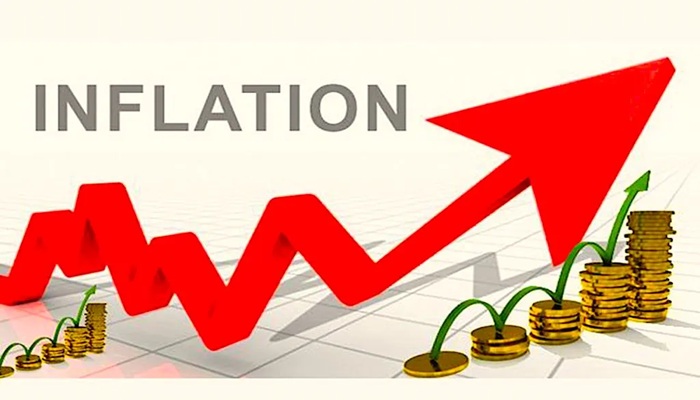
Headline Inflation to Return to the 8 ± 2% Range ‘Barring any surprises, inflation should remain firmly on its course to converge on the medium-term. Bank of Ghana Monetary Policy Report of March 2026 adds that geopolitical tensions in the Middle East remain a clear upside risk, and the importance of maintaining a strong monetary position going forward should be clear to all, it notes with a stern tone.
Inflation at March 2026 came in at 3.2 per cent, signalling the continuity of the disinflationary trend over 15 consecutive months. Month-on-month headline inflation rate declined from 0.9 per cent in December 2025 to 0.2 per cent in January 2026 and then increased to 0.8 per cent in February 2026.
Food inflation was on a steady decline monthly from 4.9 per cent in December 2025 to 3.9 per cent in January 2026 and further declined to 2.4 per cent in February 2026. In contrast, monthly non-food inflation declined from 5.8 per cent in December 2025 to 3.9 per cent in January 2026, with a slight increase to 4.0 per cent in February 2026.
At its recent meeting in March 2026, the Monetary Policy Committee noted the significant improvement in the macro economic outlook, with inflationary expectations well anchored, external buffers shored up, and improved confidence in the Ghanaian economy.
They went ahead to forecast that headline inflation would remain within the medium-term target of 8 ± 2 per cent during the first three months of 2026. The Committee warned that future increases in utility prices, geopolitical conflicts would likely pose potential upside risks to the inflation forecast.
It nevertheless pointed that continued fiscal consolidation, well-targeted sterilization operations, continued strong monetary policy, and adequate reserve buffers were expected to anchor inflation back to the medium-term target of 8 ± 2 per cent. In the light of these developments, by majority, the committee decided to reduce the Monetary Policy Rate by 150 basis points to 14.00 per cent.
About the Author