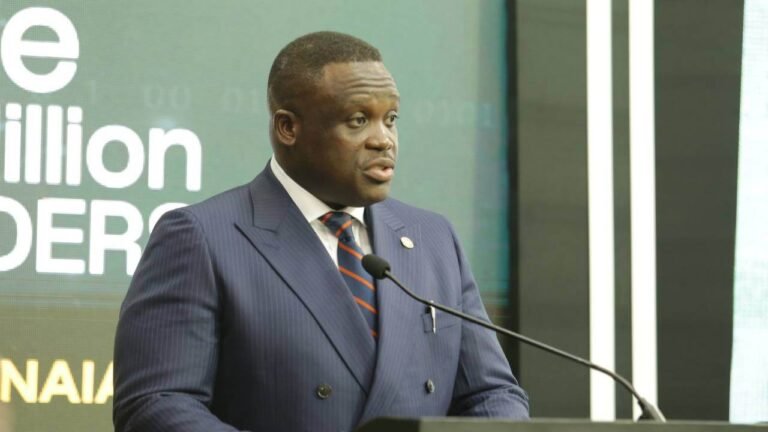
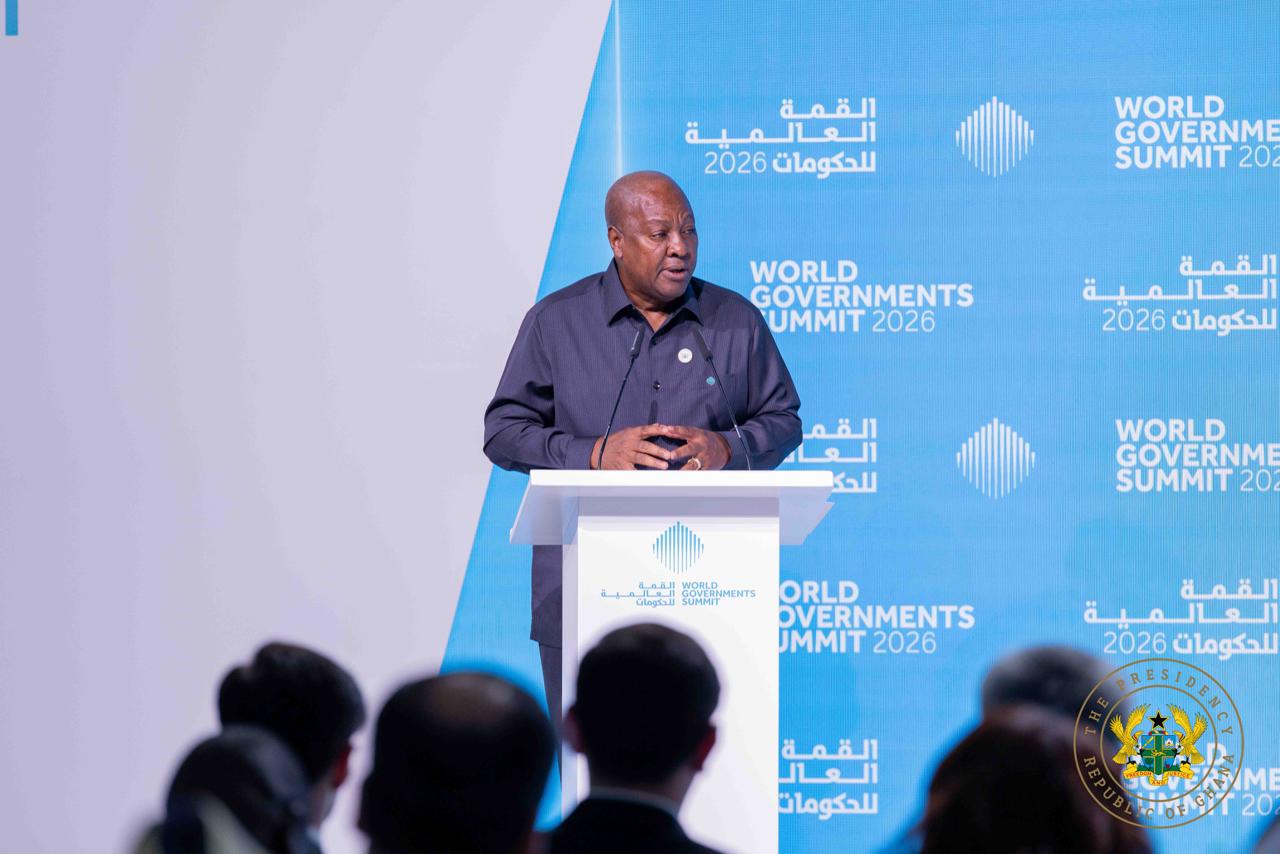
Due to notable improvements in key macroeconomic data and restored investor confidence, Ghana is on track to exit its International Monetary Fund (IMF) program by April 2026, according to President John Dramani Mahama.
With inflation decreasing, foreign reserves increasing, and confidence gradually returning, President Mahama told the Ghana-Zambia Business Dialogue in Lusaka that continuous fiscal reforms have stabilized the economy.
He observed that Ghana is now in a better position to increase trade and investment, especially within the context of the African Continental Free Trade Area (AfCFTA).
The President said that the government’s development plan is based on five key strategic pillars: industrialization and value addition; export-led growth; modern infrastructure development; strong support for micro, small and medium-sized enterprises (MSMEs), women and youth entrepreneurs; and the establishment of a predictable, transparent, and investor-friendly business environment.
“We have reorganized our debt to invest in individuals, not just to pay off debts.” This is what ‘Resetting Ghana’ means, and it is producing results,” said President Mahama. He cited the sharp fall in inflation from more than 23.4% at the end of 2024 to 3.8% in January 2026, as well as the return of currency stability, with the Ghanaian cedi rising 32% to become one of the top five currencies in the world in 2025.
Additionally, President Mahama stated that Ghana has renegotiated its debt commitments on terms that promote sustainability and safeguard national sovereignty.
“We are gradually leaving the IMF’s Extended Credit Facility with dignity as partners, not as supplicants,” he stated emphatically.
Additionally, he pointed out that Ghana’s economic recovery has beneficial effects outside of its borders, fostering regional integration and trust.
The President referred to Zambia as a natural ally, noting that complementarities between the two economies, particularly in the fields of mining, agriculture, energy, and industry, provide great potential for joint ventures, value-chain development, and increased bilateral commerce.
About the Author