
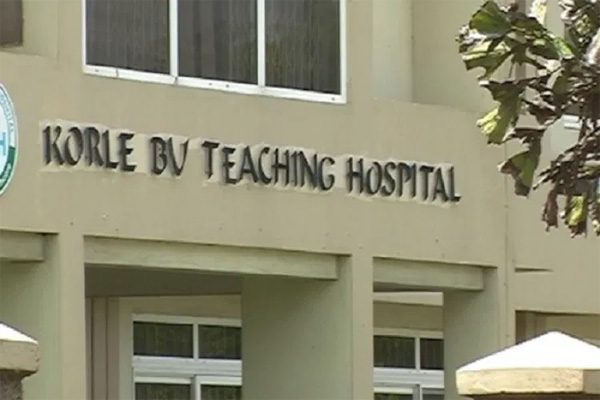
KODA has raised significant concern over an increasing lack of adequate services provided to the Korle Bu Teaching Hospital Accident and Emergency Centre, including life-threatening overcrowding of patients and doctors due to inadequate emergency services.
KODA (Korlebu Doctors Association) stated in their news release March 23 that currently, due to current administrative policies there has been a significant increase in patient admissions that far exceed the capacity of physical and human resources of the facility.
Also, KODA’s commitment to the No Bed Policy (that no patient should be turned away) has resulted in an overcrowded emergency service delivery system that is providing care in unsafe and makeshift locations.
According to the Association’s statement, “this status quo is not sustainable and presents serious risks to not only patient recovery but to the integrity of the profession as well.”
KODA outlined several significant challenges resulting from the current situation including increased risk of medical errors and endangerment to patient safety due to delay in treatment.
Furthermore, the Association noted the medical-legal risks associated with treating patients in these locations; stating there is potential for legal liability to a physician if there are negative outcomes to care provided to patients on the floor, in chairs or in hallways.
The Association stated that “Doctors delivering emergency care on the floor, in chairs, or in the hall, are placing themselves at great risk for legal liability.”
The organization noted the physical and emotional toll being taken on healthcare providers; citing that extreme exhaustion and burnout is becoming a growing concern and may impact the quality of patient care.
Health care providers also outlined the potential for risks associated with the current environment; including chronic spinal injuries due to constantly bending or squatting to provide care to patients in an Emergency Department setting.
KODA also responded to the Minister of Health following his recent visit to the facility, stating that what the minister viewed was not a true depiction of current Emergency Department conditions.
According to the Association, the facility’s typical condition may have temporarily been altered due to the preparations made for the minister’s visit.
“The situation presented to the minister on the day of his visit is not a true representation of what happens on a day-to-day basis in the emergency department,” the statement said.
In emphasizing the importance of the “No Bed Syndrome,” the organization stated while increasing the number of beds is necessary to begin solving the problem of access to inpatient care, it is equally necessary to increase the number of staff and resources available to care for patients in those beds.
The article states: “Adding 1,000 more beds to the system will not automatically provide the level of care required by all these people.”
KODA’s investigation revealed systemic failures throughout the healthcare system, particularly with respect to the inability of the lower level facilities to handle patient volume, which has created an excessive number of referrals to Korle Bu.
“Referrals from other hospitals will remain an ongoing problem when there are additional beds available at Korle Bu,” said the statement. It further commented, however, that the 1,000 additional beds would be filled as soon as they are available.
Thus, the Association is working towards a more comprehensive solution to the current crisis by encouraging greater collaboration among healthcare providers and increasing capacity of the entire health care system.
About the Author