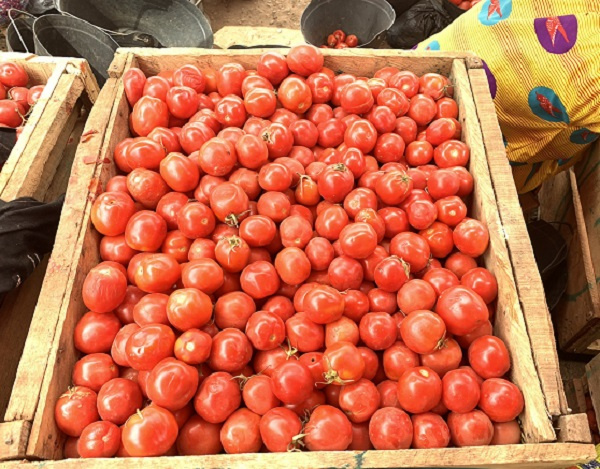
Burkina Faso has banned the sale of fresh tomatoes outside its borders, which has caused a further strain on Ghana’s tomato supply chain.
The Burkinabè government has issued a statement announcing a temporary ban on tomato exports, as of now, specifically stating that priority will be given to supporting local produce for domestic processing businesses.
The order, issued by the Ministry of Trade and the Ministry of Agriculture, also prohibits issuing of Special Export Authorizations (ASEs), thereby terminating all existing formal tomato export routes.
Traders with existing licenses will receive two weeks to complete any outstanding transactions before having their authorization revoked.
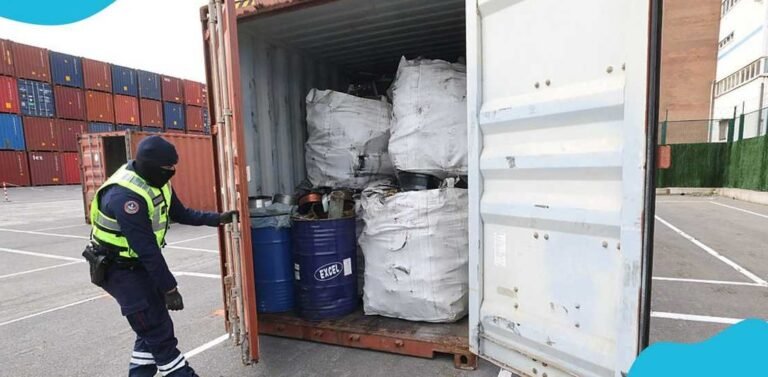
The government warned that any person violating the order will be subject to legal action under existing law, and that any products seized as a result of the order will be redirected to local processing plants, in order to expand the country’s agro-industrial output.
Citizens have been instructed to report any violations of the order; however, it is the responsibility of border control and security agencies to enforce the order.
It is to be expected that there will be an immediate effect on the food supply in Ghana due to the decision, especially in key commercial areas such as Techiman, where traders largely depend on imports from Burkina Faso to supplement their local supply.
Traditionally, cross-border tomato trade has been a critical component of ensuring price stability in Ghana, particularly during periods when local production is less than in other years. Trade has grown increasingly unstable, however, as a result of insecurity in the Sahel region.
Armed terrorists ambushed and killed seven Ghanaian tomato traders in February of 2026, injuring many others, in the town of Titao, in northern Burkina Faso. The ambush highlighted the growing risks associated with cross-border trade as it was the result of a routine trading operation.
Following the attack, the wounded individuals were transported to Accra by the Ghana Armed Forces, and the Ghanaian Government alerted the public to the dangers of visiting unsafe business zones.
According to market analysts, the latest export ban may result in increased tomato prices in Ghana over the next few weeks, which would further burden families and traders already facing supply shortages.
About the Author