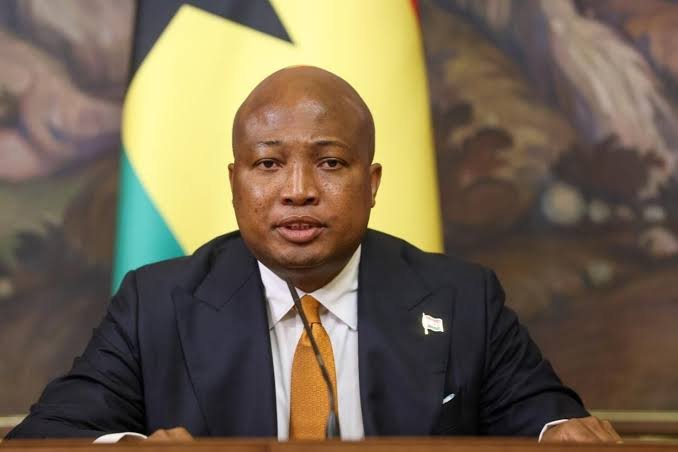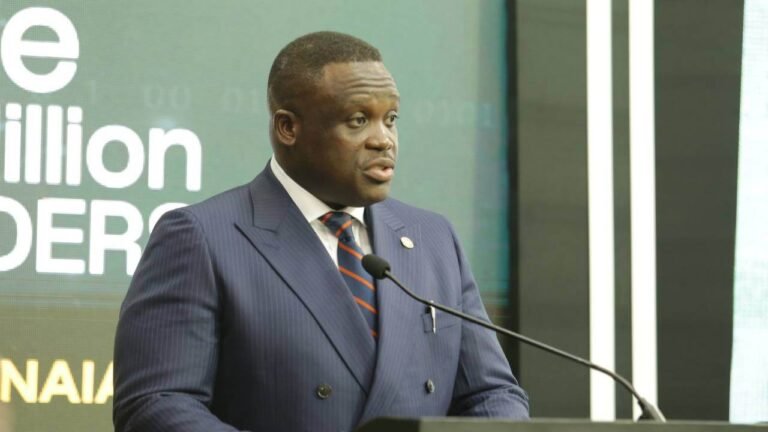
“The governments of Ghana and Burkina Faso have agreed to further strengthen our already excellent ties. In addition to condemning the most recent terrorist acts and offering our sympathies to the families affected, we resolved to create and implement a new security strategy with the goal of eradicating the menace of terrorism and violent extremism, he said.
In the face of increased terrorist acts in some areas of the subregion, the accord on a new security framework occurs, with both nations agreeing to improve coordination in order to stop the spread of violent extremism.
In addition to security, the two nations have forged a new collaboration on disaster management, concentrating in particular on dealing with the frequent spillage of the Bagré Dam in Burkina Faso, which has historically resulted in flooding in northern Ghana.
“We have also formed a new alliance on disaster management, which will especially improve our ability to address the perennial Bagre Dam spillage and its previously disastrous impacts,” Mr. Ablakwa said.
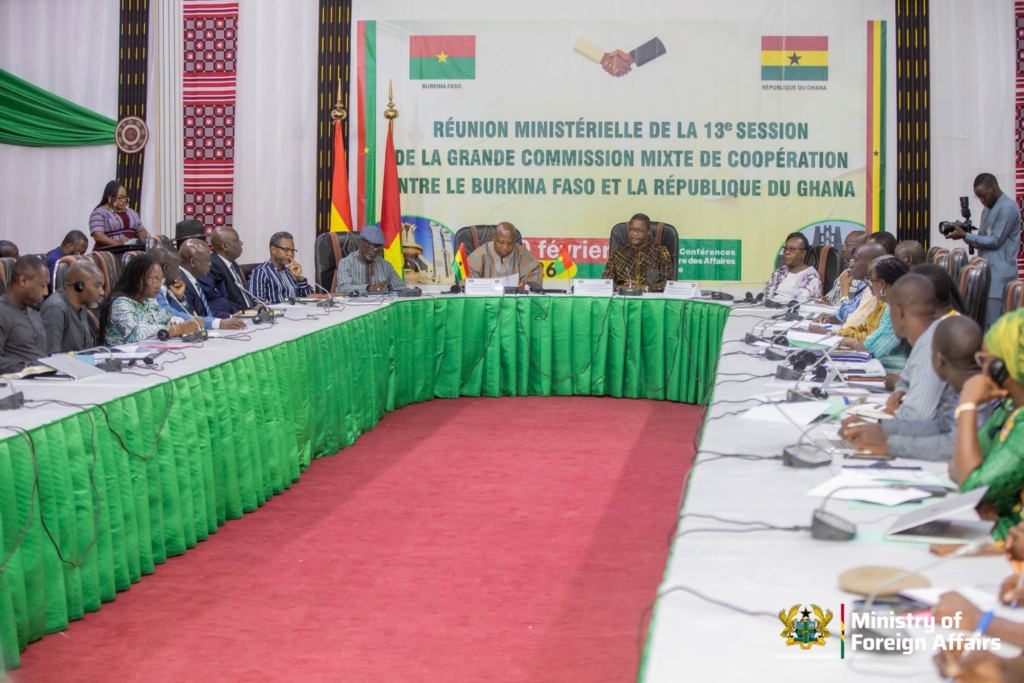
One of the visit’s main results was the revival of the Permanent Joint Commission for Cooperation, a bilateral forum that had been silent for six years. The action comes after prior discussions between President John Mahama and Captain Ibrahim Traoré, the head of Burkina Faso, in January and March of last year.
“I am thrilled that we have reactivated our Permanent Joint Commission for Cooperation (PJCC), which had been inactive for six years, after the meetings between His Excellency President John Mahama and His Excellency President Captain Ibrahim Traore in January and March of last year,” he stated.
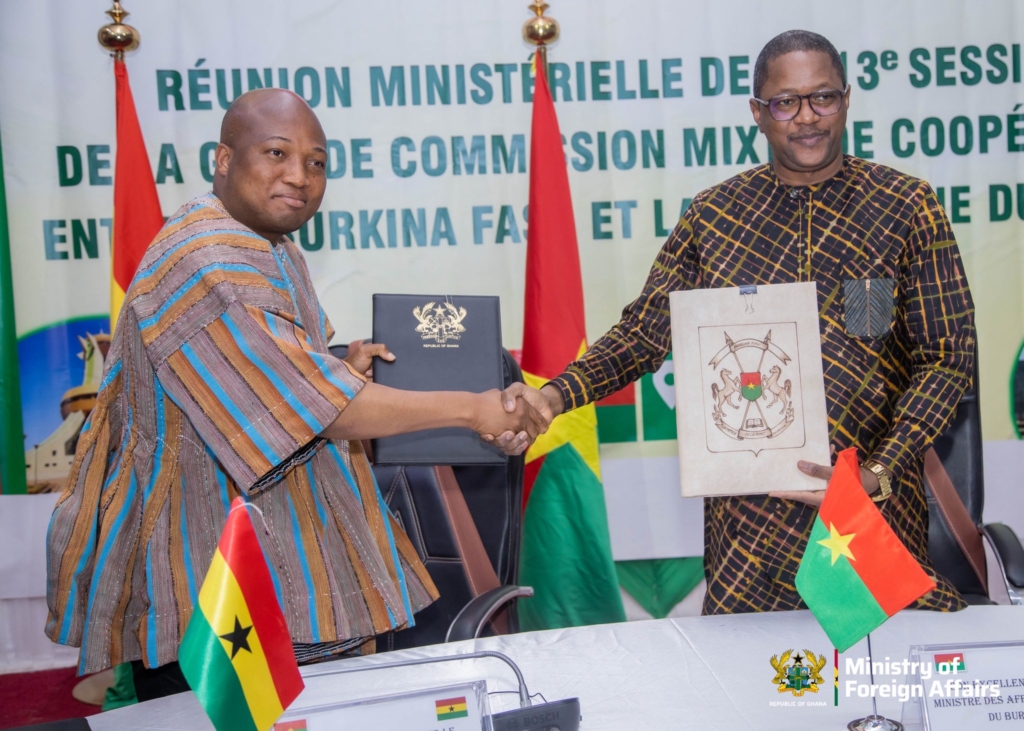
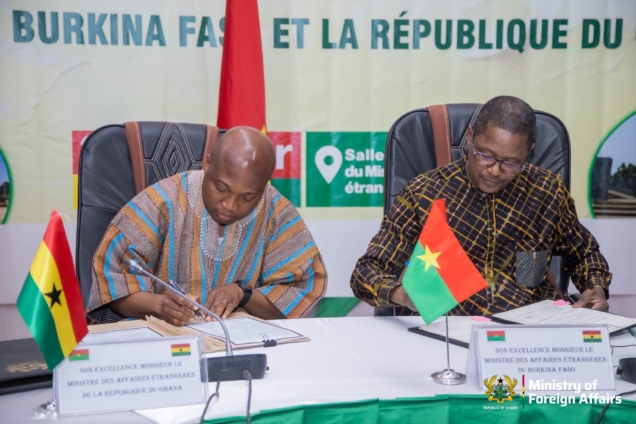
After what he called an overwhelmingly successful meeting of the commission, the two nations signed seven agreements covering a wide range of topics with the goal of enhancing institutional cooperation and cross-border governance.
The following seven agreements were signed at the conclusion of our incredibly successful PJCC:
1) Agreement on the Mutual Recognition of National Driver’s Licenses;
2) Agreement on Transport and Road Transit;
3) Framework Agreement on Cross border cooperation;
4) Memorandum of Understanding on the establishment of periodic consultation frameworks between the border administrative Authorities;
5) Memorandum of Understanding regarding the creation of a joint commission to reaffirm the border between two countries;
6) Cooperation agreement on the prevention and management of disasters and humanitarian crises;
7) Agreement in the Field of fighting illicit cultivation, production, manufacture and trafficking of narcotic drugs, psychotropic substances and related matters.
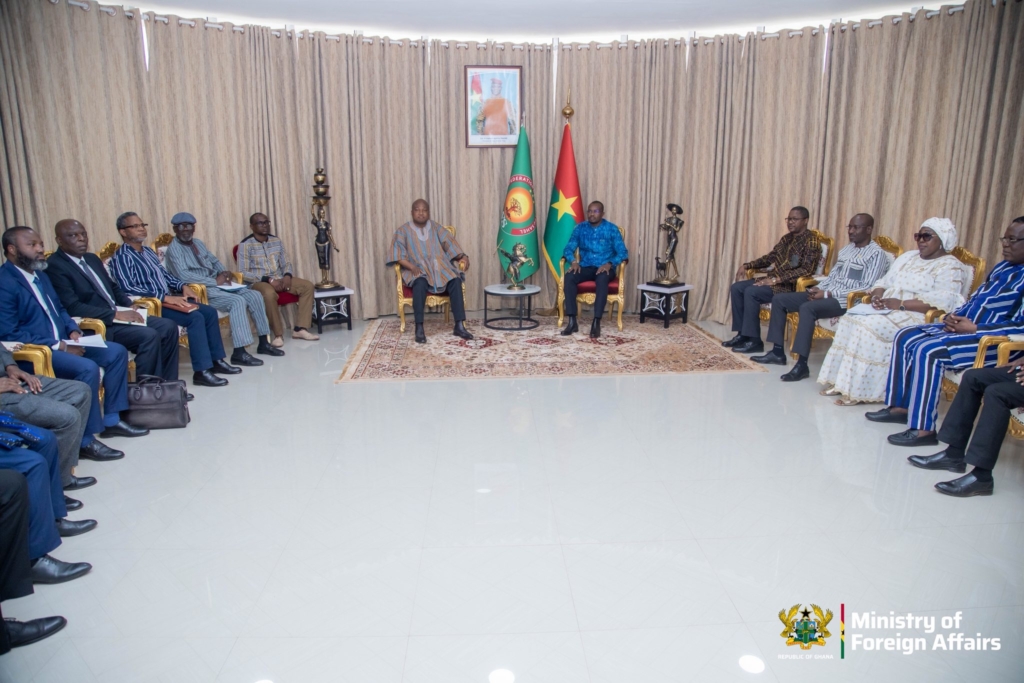
The agreements are anticipated to make it simpler for people to cross borders, boost border management, improve emergency response systems, and promote cooperation in the fight against the manufacture and trade of illegal drugs.
Mr. Ablakwa finished his piece by thanking his hosts.
I want to express my sincere gratitude to the government and people of Burkina Faso for their warm welcome and open conversation during my two-day official visit. We appreciate our excellent ties with Ghana and Burkina Faso.
About the Author