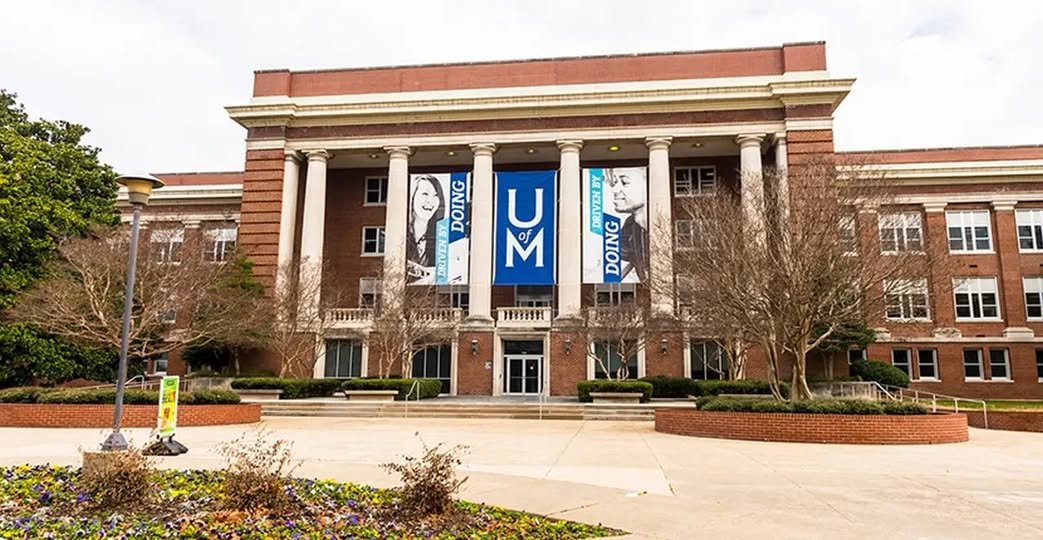
Almost 100 Ghanaian students at the University of Memphis in the United States are unsure about their studies after the institution terminated its scholarship collaboration with Ghana due to unpaid tuition payments totaling close to $4 million.
Unless they find other sources of money to pay their tuition, the students who received benefits from the Ghana Scholarships Secretariat program are not allowed to register for the new academic semester.
As the University of Memphis gets ready for the start of its fall semester, the news puts a strain on the impacted Ghanaian students to find the financial assistance they need to stay enrolled.
The institution has verified that the country still owes almost $4 million in tuition under the scholarship agreement. Prior to the outstanding balance increasing once more, Ghana made two $1 million payments in August 2025, when the debt was $3.6 million.
Bill Hardgrave, the president of the University of Memphis, had before linked the payment problems to Ghana’s change in government and its impact on the country’s budget. The unresolved obligations have persisted despite expectations that the issue would be fixed.
According to the institution, students are now personally accountable for preventing academic expulsion, difficulties with their immigration status, and the possibility of losing housing and other support.
The University of Memphis issued a statement saying that students had unexpectedly been forced to take control of their academic destiny through no fault of their own, adding that the school had presented possibilities that would enable them to finish their degrees on campus.
Given the academic performance of the recipients, the financial conflict is especially alarming. Reports on the initiative earlier stated that students were following courses in business, engineering, and science, while local reports citing University of Memphis records indicated that the Ghanaian students’ cumulative GPA was 3.75 on average.
After his visit to the Memphis in May International Festival, the Asantehene, Otumfuo Osei Tutu II, pushed for possibilities for Ghanaian students, leading to the establishment of the scholarship agreement itself in 2023.
Between the University of Memphis and the Scholarships Secretariat of Ghana, up to 70% of the scholarship opportunities were set aside for Science, Technology, Engineering, and Mathematics programs, with the remaining opportunities concentrating on graduate business programs.
Ghana’s Scholarships Secretariat has blamed the payment issues on a continuing audit and administrative processes involving state agencies in charge of processing and transferring the cash.
The Secretariat verified in July 2025 that the government owed the university $3.6 million, had made an initial $400,000 payment, and was processing a further $1 million.
The most recent development has exacerbated anxieties over the welfare of the afflicted students, particularly those who are close to finishing their programs.
Additionally, if they are unable to maintain the full-time enrollment mandated by their international student status, the students may experience immigration issues. The University of Memphis has therefore announced that it is collaborating with impacted students to explore alternatives that will allow them to stay and complete their degrees.
However, for the impacted Ghanaian pupils in Memphis, obtaining government intervention or substitute money remains the top priority before the next academic year advances, as the conclusion of the partnership makes their continued education conditional on paying off their outstanding financial commitments.
About the Author