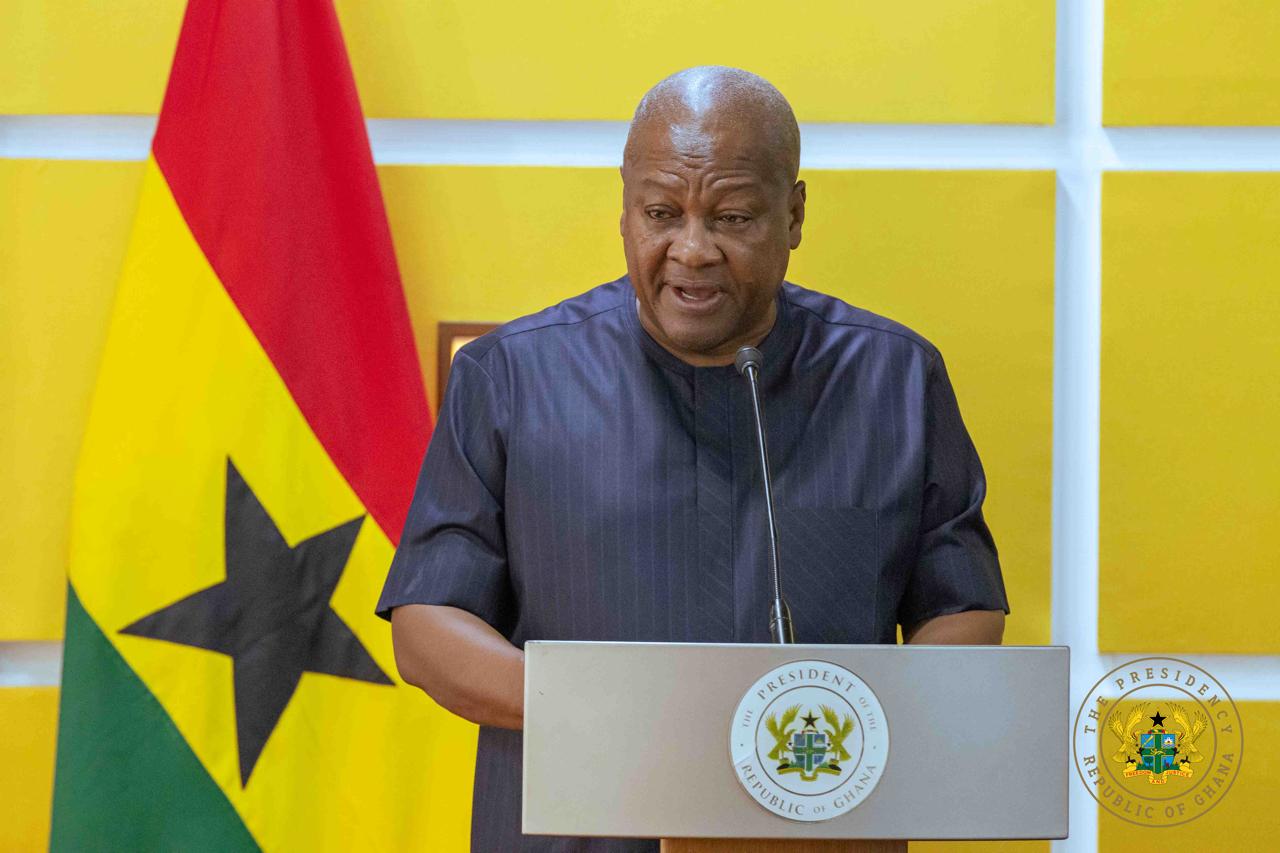
The Rental Market is plagued by the huge number of abuses, which has led Ghana’s President John Dramani Mahama to call for tenants to inform authorities about landlords who demand unreasonable rent advances while working to create a system for enforcing laws about housing.
President Mahama told labor representatives at a meeting held at the Jubilee House in Accra on March 17 that the rising costs of housing are putting families under additional financial strain and limiting their ability to find decent housing.
“Housing is a huge issue, and it consumes family income. We need to create a national discussion about housing and how businesses, the government, and labor can work together to create a social housing plan to ensure workers can purchase their home using a mortgage or rent at a reasonable price,” he said.
“Many people are forced to pay high rents due to a lack of housing in Ghana,” said President Mahama. He went on to say that the current situation where landlords take advantage of the difference between the supply of homes and demand for homes is a direct result of there not being enough homes in Ghana.
“The lack of available rental property is what drives private landlords to take advantage of tenants. There is a rent court, and it is not advisable to pay rent for over six months at one time but neither the tenant nor the landlord uses it, he said.
He also promised to penalize landlords who break the law and encouraged tenants to use legal channels to report landlords who break the law.
You can go to the rent court and we will ensure that the landlord will be held accountable, he stated.
The president made this statement because there are increasing public concerns with landlords’ practices of requiring rents to be paid for up to two years in advance, even though that is illegal, and have created a widespread view that it is exploitative and a major block to affordable housing for low to moderate income persons.
President Mahama stated that there needs to be a more comprehensive national discussion on housing to tackle the issues that deal with the systemic issues in the industry and the policies around creating a comprehensive social housing policy which balances the interests of tenants, landlords and the Government.
About the Author